Following a financially and reputationally damaging product recall, EES designed and built a global supplier quality operating system that provided earlier detection, end-to-end traceability, and consistent oversight across a complex international network.
A global organization experienced a public product recall tied to failures within its supplier quality process. The recall created direct financial costs, operational disruption, and reputational exposure. It also revealed a broader structural problem: the organization did not have a reliable, centralized way to identify quality issues across its international supplier network before those issues reached finished products or customers.
Production and quality information was distributed across spreadsheets, emails, local systems, inspection documents, and individual supplier communications. Different suppliers reported information in different formats. Quality teams lacked a shared view of performance, corrective actions could be difficult to track, and tracing an issue from a finished product back through the relevant supplier and production data required significant manual effort.
Commercial quality-management platforms were available, but the leading options were costly, rigid, and not well aligned with the company's operating requirements. The organization needed more than a compliance database. It needed an operating system capable of continuously monitoring supplier quality and helping teams intervene before problems became recalls.
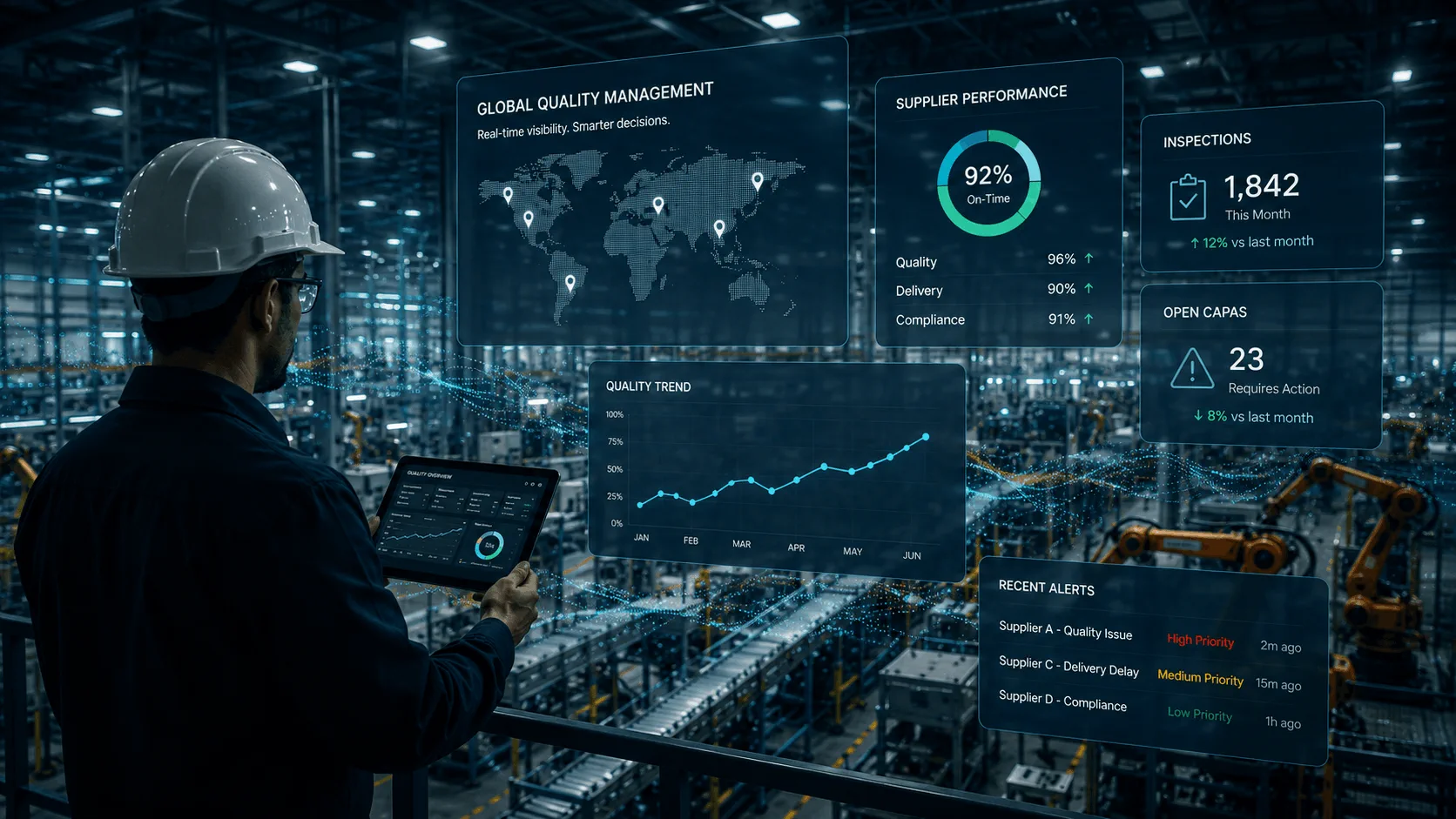
EES worked with the organization to redesign the supplier quality process around earlier detection, stronger traceability, and consistent global execution. We mapped how production data, inspection results, supplier communications, corrective actions, and compliance documentation moved through the organization, then designed and built a centralized cloud platform around those workflows.
The solution included:
The anomaly-detection capabilities helped identify unusual patterns in production and quality data before products were shipped. Because the system was purpose-built, the organization retained control over its data, workflows, integrations, and future development roadmap.
The organization moved from fragmented, reactive supplier oversight to a centralized and more preventative quality-management model. Quality teams gained the ability to monitor suppliers using consistent standards, detect abnormal conditions earlier, and investigate potential issues before they became customer-facing incidents.
The platform delivered several forms of operational value:
EES delivered the custom platform at approximately 20% of the cost of the comparable commercial SaaS alternative — a system built around the company's actual operations, with lower total cost, greater flexibility, and the ability to evolve as its supplier network and quality requirements changed.